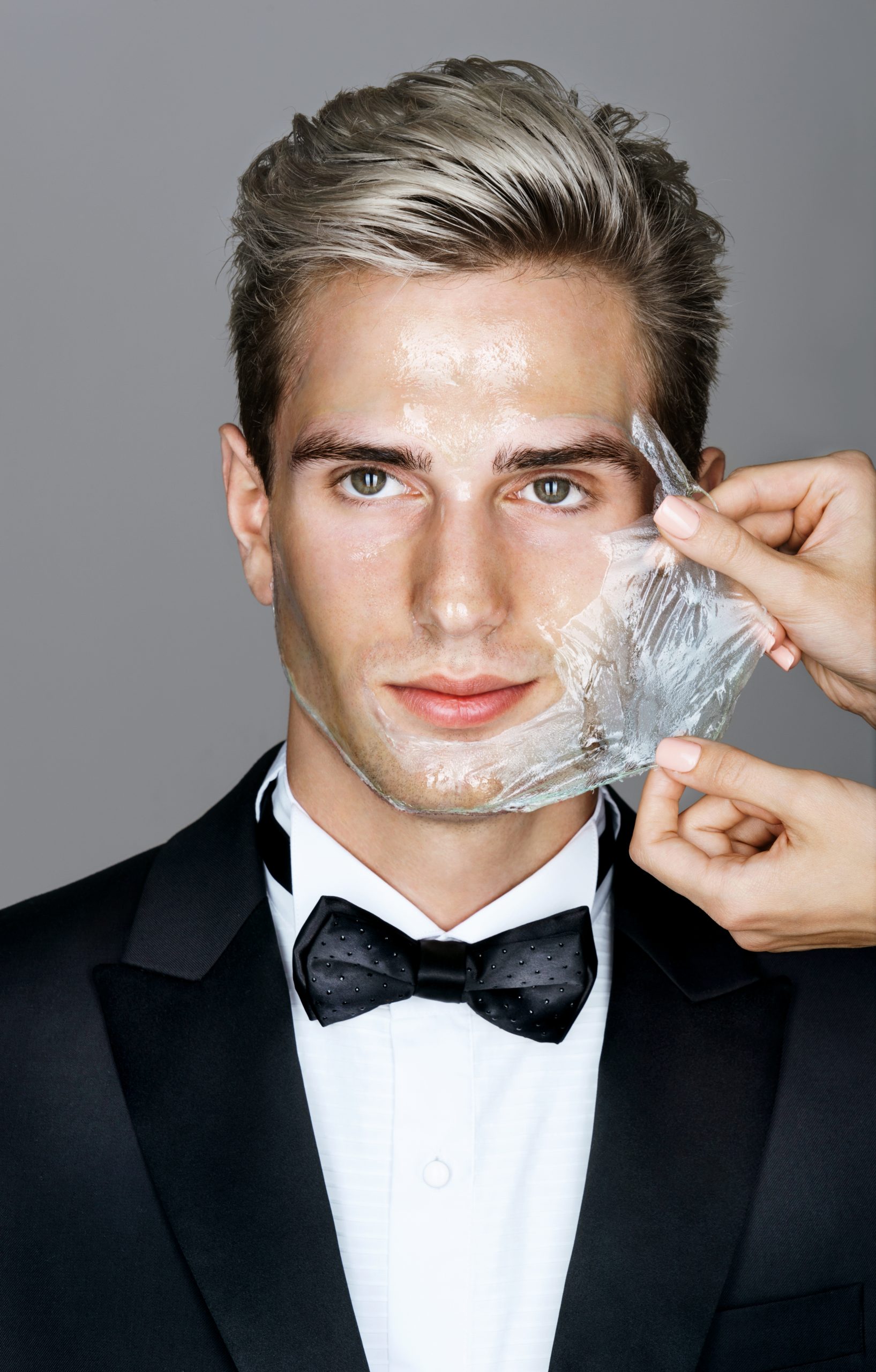
Your guide to chemical peels at Axiom Bodyworks
‘Skin peel’ – crikey, even the name sounds scary.
Thankfully, modern peels are a world away from the painful procedures of old.
No longer do you need to endure a chemical napalm pasted all over your chops, followed by a fortnight hiding under the duvet while your face falls off.
The in-salon peels of today allow you to enjoy all of the benefits without the discomfort or downtime – leaving you looking less like Freddy Krueger and more like Freddie Ljungberg.
 How does it work?
At their most basic level, chemical peels use various acids to exfoliate the skin, removing a uniform amount of surface cells to reveal a fresher and smoother complexion underneath.
On top of this, the peeling process causes a controlled ‘micro trauma’ to the deeper layers of the skin, gently nudging the body’s own regenerative processes into play. This then results in longer term improvement of texture, tone, firmness and elasticity.
Depending on the specific acid used, peels are also great for clearing out congested pores, blitzing acne and zapping hyperpigmentation.
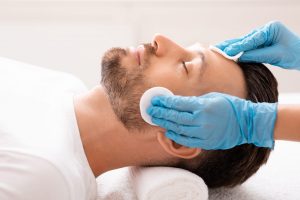 The stronger medical peels performed by dermatologists work on a much deeper level than the more superficial treatments carried out by aestheticians.
That’s not to say the peels we do in-salon can’t achieve significant (often dramatic) improvements. It may take us a little longer, but the associated risks, downtime and pain are also substantially reduced.
What are they good for?
A real ‘all-rounder’, there aren’t many things a chemical peel can’t help with.
They are often among my top recommendations when drawing up a treatment plan, simply because they address so many of the common skin concerns that customers have.
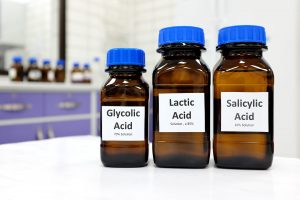 There are a multitude of acids and associated peeling agents out there and they all do slightly different things. You’ll be pleased to hear that I’ve taken the guesswork out for you.
After a thorough consultation and analysis, I’ll choose the right product at the right strength for your individual skin needs, without you ever needing to worry about knowing your glycolic from your gluconolactone.
Peels are fantastic for:
- General brightening and rejuvenation of tired, sallow complexions.
- Refinement of skin texture.
- Increased facial firmness and elasticity.
- Improvement of hyperpigmentation and evening of overall skin tone.
- Smoothing of superficial wrinkles and fine lines.
- Treatment of all acne grades, from mild to severe.
- Reducing the depth of acne pitting and other scars (especially in combination with microneedling).
- Balancing oily complexions and minimising the appearance of enlarged pores.
- Tackling signs of sun damage.
- Gentle management of redness and rosacea (in conjunction with LED therapy).
Before your treatment
To get the most out of your treatment and avoid any unwanted side effects, there are a few simple steps to prepare your skin in the days leading up to your appointment.
 7 days before your peel:
- Avoid excessive sun exposure and the use of sunbeds. If you have even the slightest hint of pink, I can’t peel you.
- Avoid waxing, threading, bleaching and chemical depilatories (e.g. Veet) in the area we are treating.
2-3 days before your peel:
- Stop using any creams, toners or other products that contain retinoids (vitamin A), acids (alpha and beta hydroxy acids like glycolic, lactic and salicylic acid) and other ‘active’ ingredients (such as high strength vitamin C, tea tree oil, bakuchiol, etc.).
On the day itself:
- Don’t shave! Acid + a freshly shaved kisser = ouchie.
- If possible, please arrive for your appointment with a clean face, free of make-up.
- You’ll need to avoid exercise, sun exposure and anything that gets you too hot and sweaty for a few days afterwards, so bear that in mind when making plans.
 Step-by-step procedure
Your treatment at Axiom Bodyworks includes the following:
- Double skin cleanse.
- Application of pre-peel solution to degrease and lower the pH of your skin.
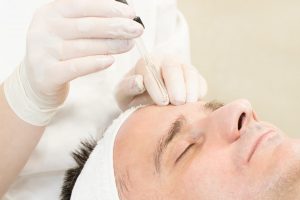
- Application of peeling agent, either with a brush or massaged into the face by hand.
- Hydrogel mask and Demalux LED (optional add-ons).
- Booster serum, post-procedure balm and SPF.
 How it feels
The peels I use at the salon vary in intensity, with differing sensations during treatment and various levels of skin flaking in the week following your appointment.
Some peel solutions need to be applied in layers with a brush or are massaged into the face, while others need only a single layer and work harder the longer they are left on the skin. Some need to be neutralised and others deactivate themselves once they’ve done their job.
Whatever the case, I’ll talk you through every step as we go so that you know exactly what to expect.
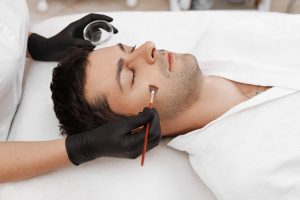 The lower strength treatments generally result in an itchy or prickly sensation, coupled with mild heat.
The higher intensity peels have a bit more oomph and can therefore feel hotter and more spicy. This only lasts for a few minutes and certainly isn’t painful. You’ll also be given a handheld fan to help dissipate any heat.
Immediately after your peel your skin will look flushed and shiny and will most likely feel quite tight. It’s a bit like having mild sunburn. This will continue for the rest of the day, so slather on the soothing cream I give you to keep everything nice and calm and comfortable once you’re back home.
The day after your appointment your face will still be feeling a bit tight and dry. Any swelling and redness will begin to settle, although do be aware that this can last for a few days, depending on the strength of the peel.
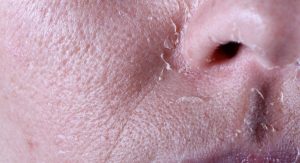 2-3 days on and you’ll probably start to notice some flaking or peeling of the skin. This is a result of the outer layers shedding to reveal the fresher skin underneath.
Peeling usually starts around the nose and mouth and works its way out from there. But sometimes it appears in random patches across the face and some people don’t get any flaking at all.
Really important at this point: as tempting as it is, do not scrub, scratch, pick or peel those flakes off!!
The peeling stage can last up to a week. Keep applying a plain moisturiser to slick down any dry bits, soothe any itchiness and help your face feel more comfortable. The flakes will come off by themselves when they are good and ready (usually in the shower or on your pillow while you sleep).
A lot will depend on your skin type, age, lifestyle, the weather and various other factors, so don’t fret if you don’t get any dramatic peeling – the treatment is still working its magic under the surface!
 Temporary worsening of acne and even teeny whiteheads are normal as the skin ‘purges’ itself of dead cells, oil and other buried debris. Be prepared for this, especially if we are treating pimples or an oily complexion. Rest assured, any breakouts are transient and these typically lessen with each subsequent peel.
If you notice any scaly, dark brown patches appearing, don’t panic. These can be signs of sun damage or where the skin was a little thicker. Again, please don’t pick or peel them, they will fall off on their own when the time is right.
Top points to take away: expect a feeling of tightness and dryness for a few days, followed by flaking or peeling of the skin. Keep applying moisturiser, stay out of the sun and DON’T PICK!
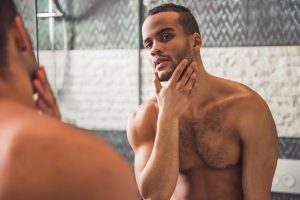 After your treatment
For the rest of today:
- Don’t do anything with your face other than apply the creams I’ve given you.
- Avoid sun exposure – at this point your skin is much more sensitive than normal, so hunker down and stay indoors.
- Be careful of heat – this includes simple things like steam from a kettle, hair dryers and the rush of hot air when opening the oven. I know that sounds over-the-top, but your skin will be feeling delicate. Trust me: you’ll be grateful for the heads-up!
- No strenuous exercise for the next 24 hours – skip the gym or parkrun and have a lie-in. You deserve it.
 From tomorrow and for the next 7 days:
- Continue to avoid extremes of heat – use cool to lukewarm water only in your shower and when washing your face, and keep away from steam rooms and saunas.
- Wash your face with a mild cleanser and tepid water, using your hands only (no washcloth, scrubs or flannel) and either air dry or gently pat with a clean towel – don’t rub.
- Absolutely no scrubbing, rubbing, scratching or picking of any flakes.
- No acids, retinoids, fake tans or other ‘active’ ingredients in your skincare products. General rule of thumb: if it stings, wash it off.
- Don’t wax, thread or use depilatory creams in the treated area.
- Keep your skin well moisturised – apply a plain moisturiser, often and liberally, to keep things protected and feeling comfortable.
- Avoid excessive sun exposure and slap on a broad-spectrum sunscreen of SPF50 if you do venture outside. Reapply it regularly. Keep off the sunbeds for at least 2 weeks.
- You can wear make-up after 24 hours, if you want to.
- Mild irritation, redness, itching, dryness, peeling, temporary worsening of acne and transient darkening of hyperpigmented patches are normal.
- Crusting, blisters and pustules that ooze are extremely rare but could be a sign of infection, so please get in touch if you develop any of these particular skin changes.
 After 7 days or when your skin finishes flaking (whichever is LONGER):
- You can go back to using acids, retinoids and other active ingredients in your skincare.
Note: the use of sunscreen is non-negotiable when having peels. If you don’t have a decent one at home, I stock the brilliant Heliocare range at Axiom Bodyworks.
Expected results
I’m obliged to say that exact outcomes vary from person to person. But I’ve also been doing this long enough to state with confidence that for most people, once any flaking has subsided, you should notice your skin feels noticeably smoother and looks clearer and brighter.
With repeat sessions, oil levels will balance out and breakouts will reduce. Your overall skin tone will be more even as any darker patches of pigmentation and areas of sun damage gradually diminish.
The good work continues for 2-3 months after each peel as the springs and scaffolding of your skin build in the deeper layers. Over time, this results in improved firmness, a smoother surface texture and softening of fine lines.
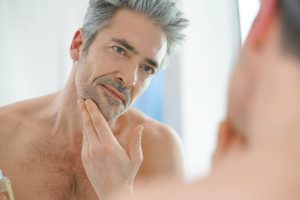
As with most of the advanced aesthetic procedures I offer at Axiom Bodyworks, you’ll notice some of these improvements straight away – but best results are always obtained with a course of treatments and the use of homecare products that support the process.
For most people, I strongly recommend an initial run of 3-6 sessions, spaced 2-4 weeks apart. Commit to this and you’ll really see a marked difference.
For optimum, long-lasting results: consider a couple of top-up peels, once or twice a year. Combine with LED, microneedling or skin booster injections for even stronger effects.
 Summary
Recommended for: all skin types and colours. Great for general brightening and rejuvenation, plus improvement of skin texture, facial firmness and elasticity, hyperpigmentation, superficial wrinkles and fine lines, active acne, scarring, oily complexions, enlarged pores, sun damage, redness and rosacea.
Procedure time: 20-40 mins.
Back to work: immediately with lighter peels, next day with stronger ones.
Downtime: 1 day, plus subsequent skin flaking.
Frequency: 3-6 sessions, spaced 2-4 weeks apart.
Click here to discover the range of very a-peeling treatments from Axiom Bodyworks!
 Details and prices are correct at the time of publication but may change without notice.